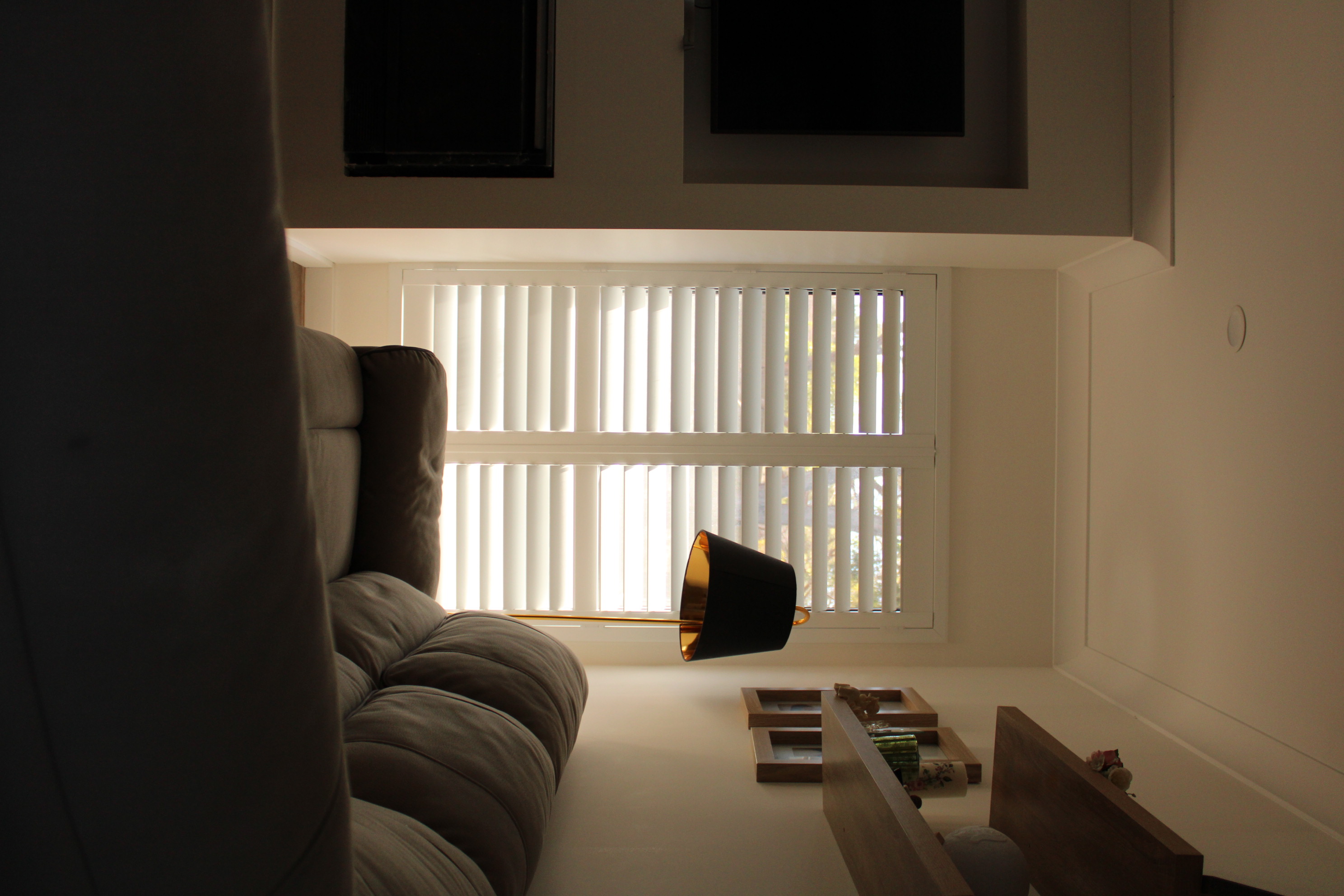
Plantation Shutters for Heat and UV Protection





Keep the Heat Out and Stop Your Floors Fading
An Australian summer does two things to a west-facing room: it heats it up, and it bleaches everything the sun lands on. Plantation shutters put a solid, adjustable barrier across the glass. Angle the louvres down and direct sun stays off your floorboards and lounge while daylight and air still come through. Close them fully on a 40-degree afternoon and the room holds its temperature far better, which takes some load off the air conditioner.
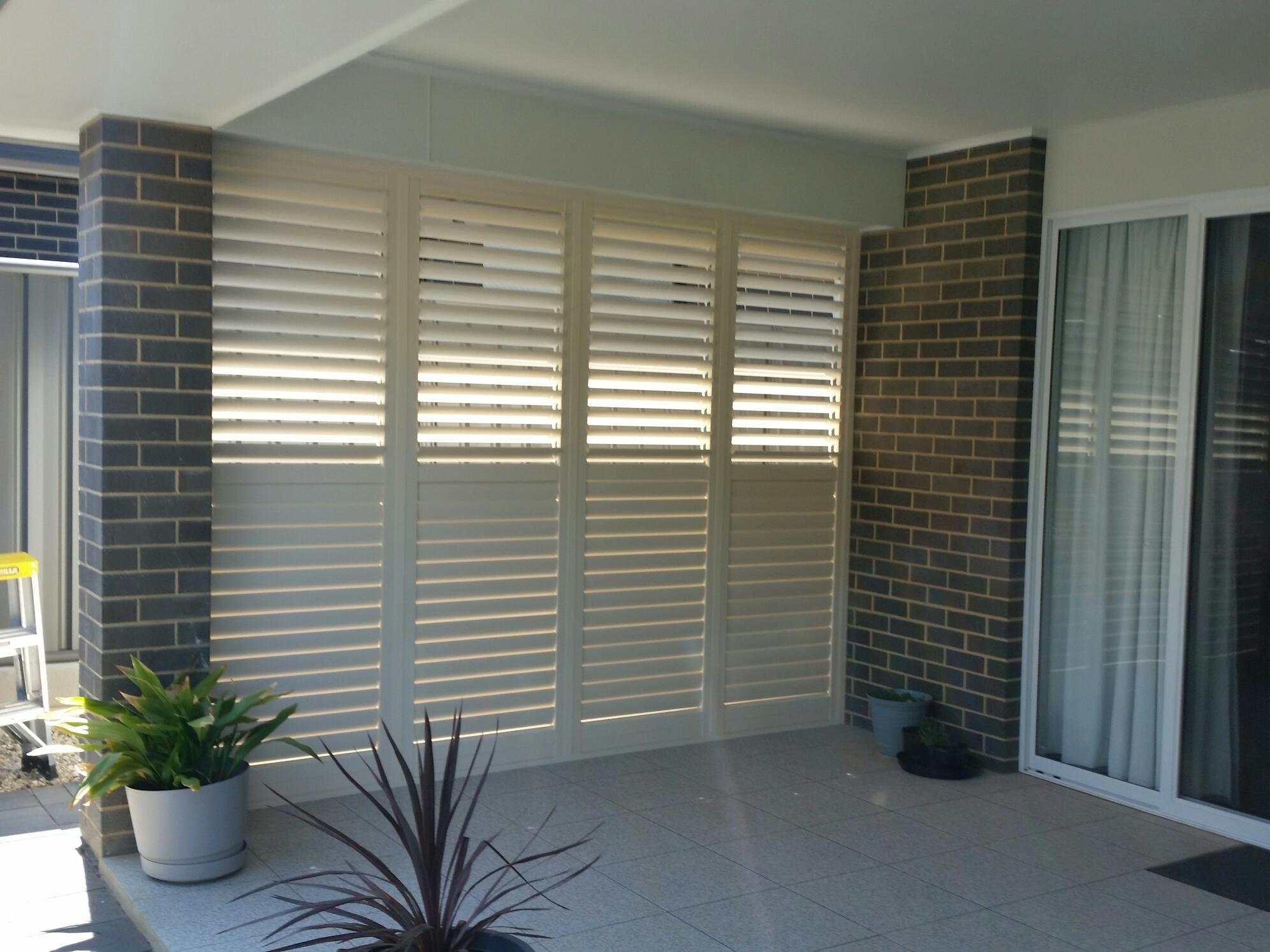
Where Heat and UV Do the Most Damage
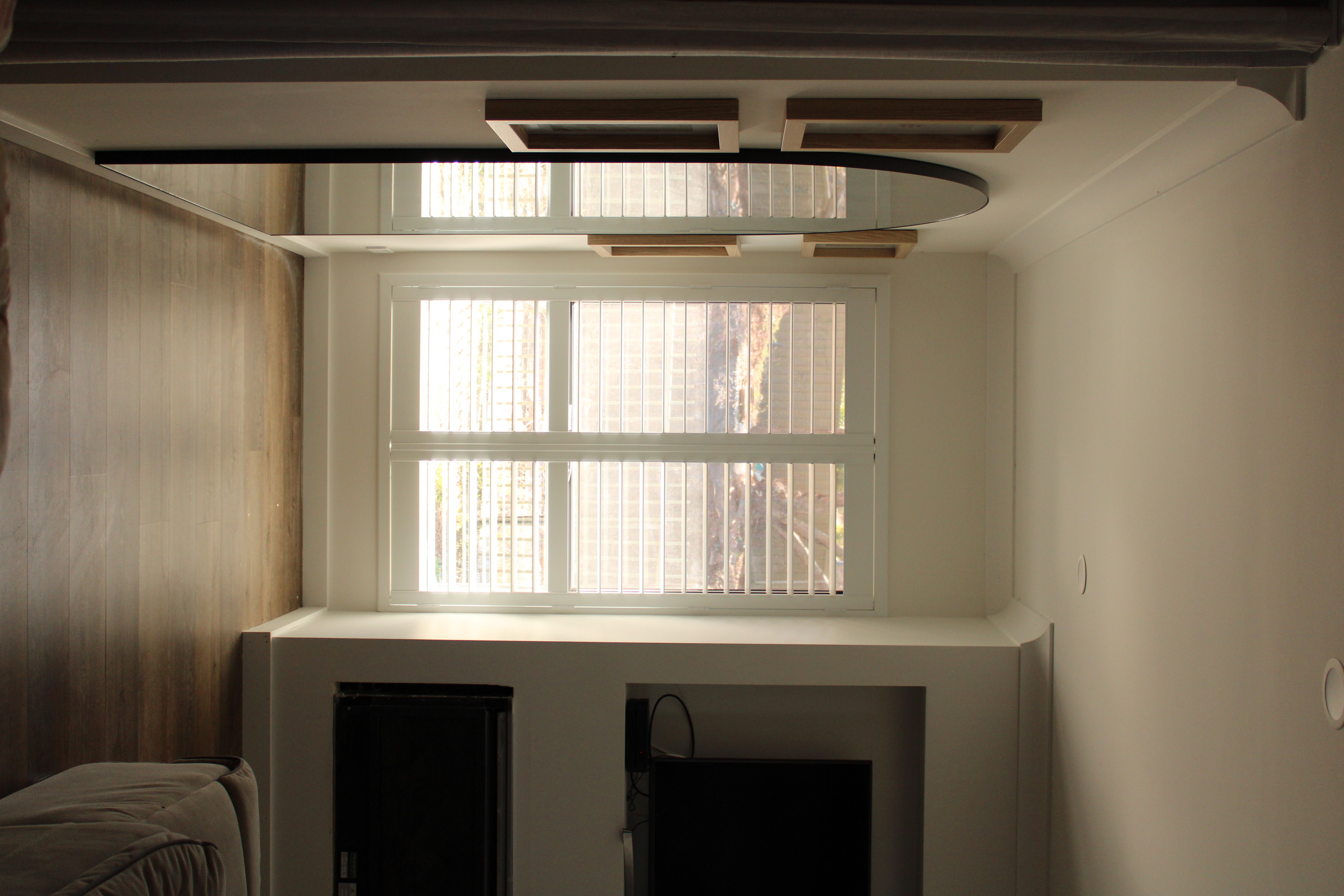
» West-Facing Living Rooms:
Any room with afternoon sun is the one you will notice first. Tilting the louvres down cuts the glare on the TV and keeps the sun off the floor without darkening the whole room, so you don't end up choosing between seeing the screen and seeing anything at all.
» Bedrooms:
Close the louvres before you leave in the morning and the room isn't an oven when you go to bed. It is a small habit that changes how a west-facing bedroom feels in February, and unlike a blockout blind you can still get airflow through a partly open window behind them.
» Floors, Rugs and Furniture:
UV is what fades timber floors, carpet, upholstery and artwork, and the damage is gradual enough that most people don't notice until they move a rug. Keeping direct sun off those surfaces during the worst part of the day is what shutters are good at.
External Shutters Stop Heat Before It Reaches the Glass
There is a real difference between blocking sun at the window and blocking it before it gets there. Once sunlight is through the glass, the heat is already in the room and you are managing it rather than preventing it. Our external plantation shutters are powder-coated aluminium and mount outside the window, so they shade the glass itself, on the same principle as an awning, except the louvres adjust and you keep your view. They are what we would put on a west-facing wall, and what we fit most often in Darwin, Cairns and Alice Springs.